Unpacking Preschools: Learn about Montessori vs. Play-Based Preschools
We know choosing a preschool for your child can be an overwhelming process–understanding the differences between types of…
We know choosing a preschool for your child can be an overwhelming process–understanding the differences between types of preschools, like Montessori or play-based, might make your decision easier.
ملكنا كيفية اختيار دليل ما قبل المدرسة can help you determine the right location, quality ratings and specific cultural, language or spiritual needs of your family. While these are all important factors to consider, you may still have questions about the different types of curricula offered at preschool locations. Keep reading to learn about two popular preschool methodologies–Montesorri and play-based–when deciding what is right for your child.
If you’re looking for other types of preschools, check out our “Comparing Types of Preschools” منشور مدونة.
Understanding Montessori Preschool
The Montessori Method is a child-centered education approach that was developed by Dr. Maria Montessori more than 100 years ago. In researching how children learn, Dr. Montessori noticed that preschoolers were eager to initiate their own learning and responded well to the freedom of space and choice. Dr. Montessori also deeply respected the child’s natural development and the whole-child approach to learning.
بحسب الجمعية الأمريكية للمونتيسوري, the core principles of Montessori include:
- Properly-trained Montessori teachers — Teachers hold credentials for a specific level of teaching and have a deep understanding of Montessori philosophy, curriculum, classroom management and child development.
- A prepared environment — Montessori classrooms are thoughtfully organized with materials on low, easy-to-reach shelves and separated into intentional curriculum areas like sensory, math, practical life and language skills.
- Multi-age classrooms — Student learning is based on abilities, not age. Self-esteem is built on personal accomplishments rather than comparison with same-age peers.
- Use of specially designed Montessori learning materials — Hands-on, interactive and engaging classroom materials enable students to learn through discovery.
- Student-directed work — Learning is built on the belief that students are intrinsically motivated and learn about their personal strengths and ability to improve through their own exploration.
- Uninterrupted work periods — Working freely and at their own pace on self-selected activities, students develop concentration, time-management skills and a love for learning.
Learn About Play-Based Preschool
As the name suggests, play-based learning is centered on play and the joy it brings as the primary vehicle for learning and development in preschool-aged children. While “play” may seem like a break from school, the method is, in fact, the opposite. Play-based learning is rooted in the idea that a child’s only role is to play, enjoy and experience the world.
The play-based learning movement was developed across a range of theorists but is primarily credited to Jean Piaget و Lev Vygotsky. Their work focused on the belief that children learn through experience and absorb learning best when they are happy.
وفق برايت ويل و Accelerate Learning, the core principles of a play-based approach include:
- Learner-led play — Children lead and explore with their own curiosity while teachers support learning through questions, building upon interest and folding in relevant lessons as those opportunities present themselves.
- A dynamic classroom setup — Play-based learning focuses on less structure and more freedom and flexibility to move, adapt and let individual imaginations run wild.
- A multi-faceted approach — Beyond traditional learning, this approach allows for a range of social-emotional development, like sharing, collaboration and conflict resolution.
- The process matters more than the product —The decisions, strategies and learning that occur during the activity is more important than a specific goal or developmental outcome.
Which Approach is Right for Your Child: Montessori vs. Play-Based Preschools
While the overarching similarities between the two are the respect for the whole child, freedom to guide their own learning and a hands-on experience, the structure is really where they differ. Montessori preschool is set up in a more structured fashion, with specific and well-organized sections to guide students at their own pace. Teachers often present the materials and then observe, allowing for independence in learning.
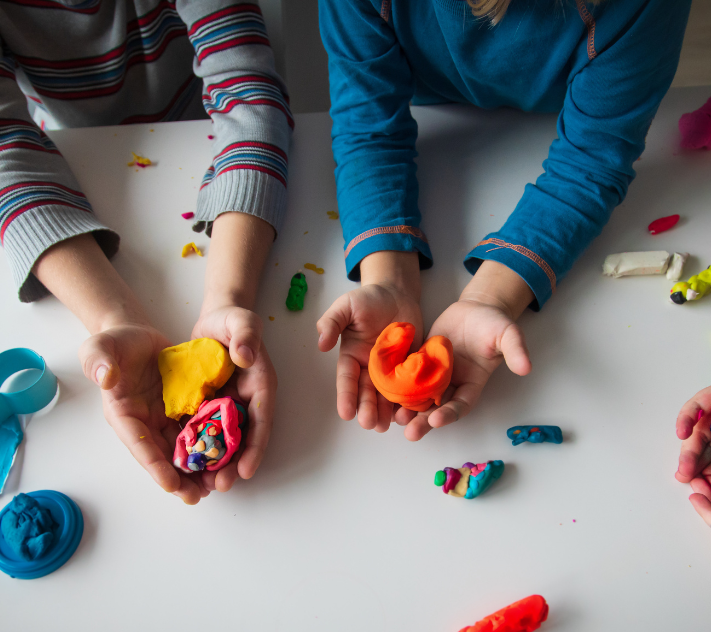
For play-based preschools, the structure is more dynamic. There are no set lessons or modules and learning is driven from the child’s interest and imagination. Leaning into a love of color may lead to counting colors, identifying them in art or toys and finding them outside in nature. Teachers in a play-based classroom are often active participants, helping to build upon the interest of the children in real-time.
If either of these two preschool methodologies seem like a great fit for your family and you would like to experience them in person, Denver offers a wide array of preschools that adhere to both models. To find preschools near you, visit DPP.org and click on البحث عن مدرسة ما قبل المدرسة. From there, choose the Search by Program Name option and enter in Montessori for a quick-access list of Montessori schools near you.
To find play-based preschools, we invite you to contact Briana Gonzales, DPP Bilingual Preschool Navigator, as a resource, or you can check out a few of the providers listed below:
- Denver Cooperative Preschool
- Montview Community Preschool and Kindergarten
- Steele Cooperative Preschool
- Paddington Station Preschool
While choosing a preschool can feel like a big decision, know that Denver Preschool Program is here to help. From online guides to in-person support, our team can help you navigate your choices and the application process to ensure you find the right preschool for your family.