Consejos de seguridad ante condiciones climáticas extremas: Cómo enseñar a los niños en edad preescolar sobre el cambio climático.
From making snowmen after a recent winter storm to building forts during thunderstorms, there are so many ways…
From making snowmen after a recent winter storm to building forts during thunderstorms, there are so many ways to make weather a fun and fascinating part of a child’s life. In recent years, however, the weather has become more intense, making extreme weather safety tips more important than ever.
According to the National Center for Environmental Information’s (NCEI) “2024: An active year of U.S. billion-dollar weather and climate disasters” report, there are more high-cost weather events happening in the U.S than ever before. Climate change is leading to more intense and extreme weather events, which is why it’s important for parents and educators to prepare students with age-appropriate extreme weather safety tips, lessons and activities. Keep reading for more information about how to help little learners navigate the fascinating world of weather.
Weather 101
For teachers and families of preschoolers, talking about weather safety in calm, understandable ways can help children feel more confident and prepared rather than scared or fearful. By learning simple safety routines and reassuring language early, young children can understand this “new normal” and respond safely during challenging weather events at home, at school or wherever they are.
Start with the basics so children understand that weather is part of everyday life. The more information children have, the more agency they may feel in keeping themselves and others safe. Here are three tips begin the weather conversation:
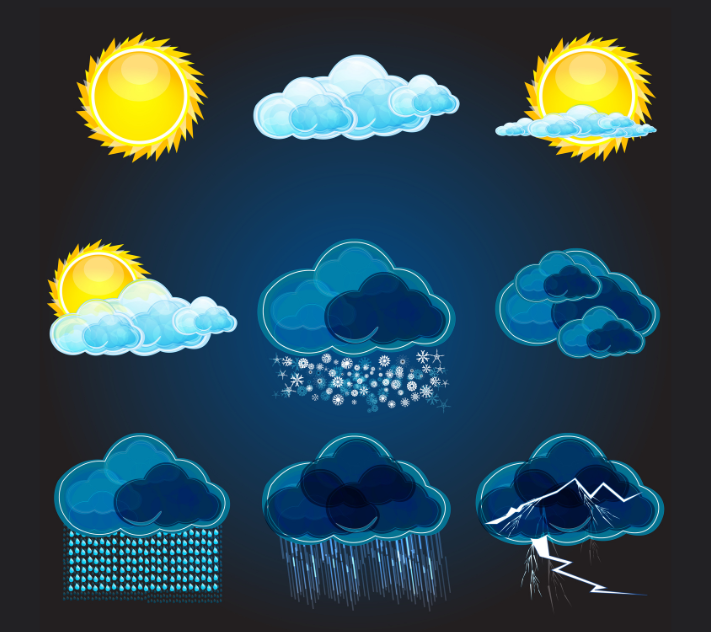
- Begin with basic weather education — Show visuals or ask children about the difference between sun, rain, snow and storms. Have young learners draw various types of weather they have experienced and talk about what it means and how they felt during that weather occurrence. For teachers or parents, there are a number of great resources to make weather learning fun. Here are a few of our favorites:
- Educational videos from NASA on types of weather
- Today’s Weather is … a book of experiments is geared toward older kids but many of the activities can be tailored to young learners and has lots of fun ways to learn about weather
- National Geographic Kids Weather helps unpack how certain weather events occur
- National Geographic Kids Everything Weather: Facts, Photos, and Fun that Will Blow You Away offers a great primer on weather
- A wealth of meteorology content from the National Weather Service, including lessons from fun characters like Owlie Skywarn and Mickey Mouse
- Ready Kids games, lessons and activities for kids of all ages, educators and families from Ready.gov
- Weather-specific lesson plans from Preschool Plan It
- Weather arts and crafts ideas from Pinterest
Extreme Weather Safety Tips: Planning and Preparation
After helping preschool kids learn the basics about weather, the next step in extreme weather safety tips is teaching them about planning and preparation.
- Make a family or classroom weather preparedness kit — Feeling prepared, especially if it includes tools and special items, can be fun and calming for kids. If they know what the plan is, where to go and what they need, their nervous systems have a better time regulating.
- Depending on the weather, a kit might include: flashlights, charging stations, water, food, blankets and towels, stuffed animals or other essentials. If you lose power, DPP has you covered with our Power Outage Tips for Colorado Families post. We also love Weathering the Storm Together: A Family Safety Plan from PBS’s Weather Hunters.
- Be sure to identify where your family or classmates should go during a tornado or other extreme weather event, and then practice going there together.
- Thunder Cake by Patricia Polacco
- Here are a few examples of language to try:
- “Are you noticing the wind/rain getting stronger? Is it feeling really big or small today?”
Rain or shine, DPP is here for you! For more tips on how to manage life and learning with your preschooler, don’t forget to subscribe to our bilingual monthly newsletter, Family Dispatch.