Questions to Ask Before A Preschool Playdate at Another Family’s House
Making friends and wanting to spend time together outside of school is a natural developmental milestone for preschoolers–but…
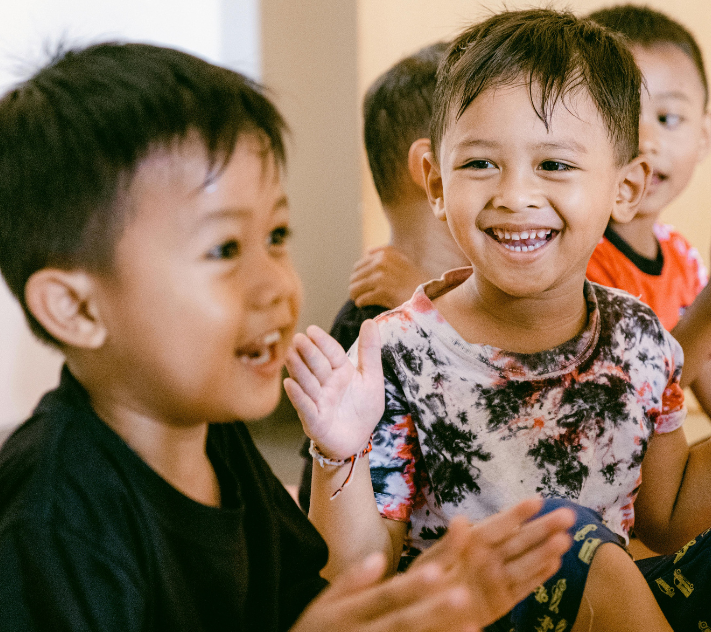
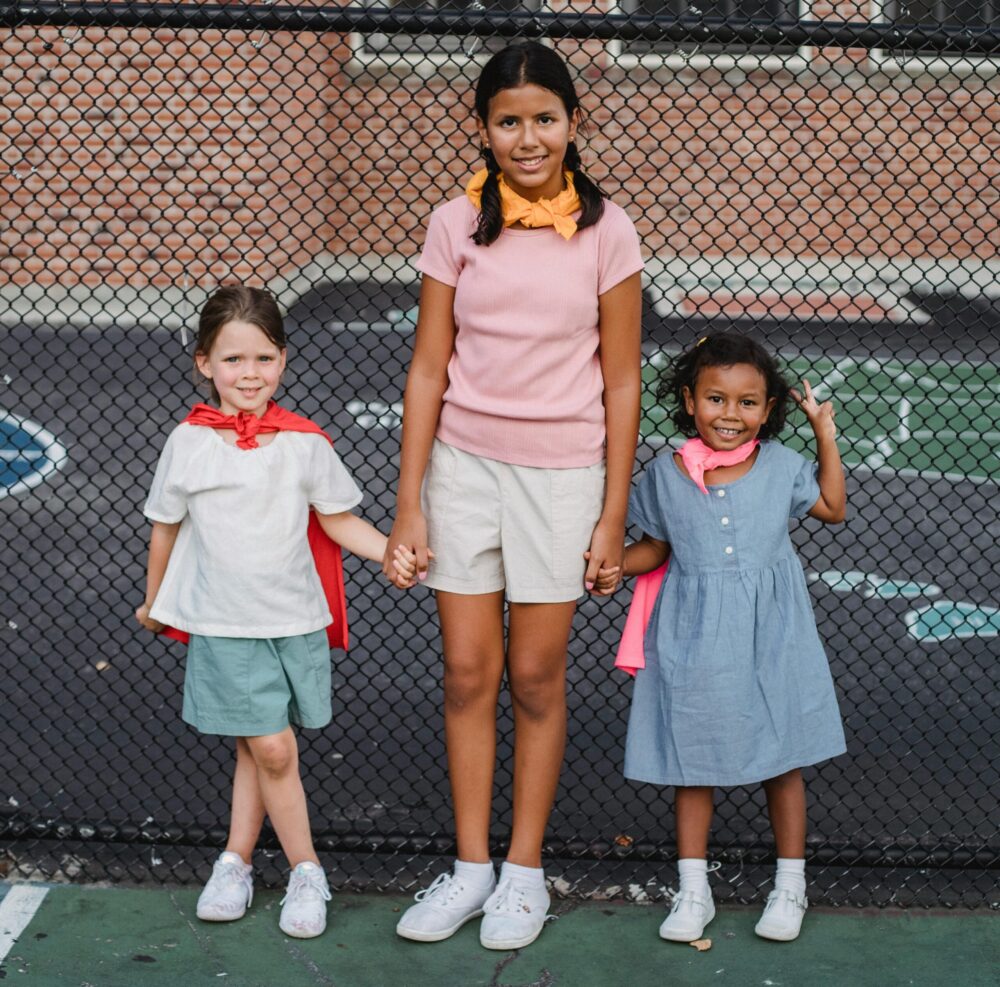
Making friends and wanting to spend time together outside of school is a natural developmental milestone for preschoolers–but a preschool playdate at another family’s house may be new territory.
From different routines and rules to new traditions and adventures, playdates for preschoolers help expand our experiences and build relationships for children and adults alike. But with safety being top-of-mind for most families, how do you ensure a safe playdate for your child in someone else’s home? Not to worry–we have a few tips to help you make your preschooler’s next playdate a safe and fun experience for all.
Benefits of Playdates for Preschoolers
As children get older and are introduced to different types of families, values, cultures and ways of life, it is normal for some of those lifestyles to differ from your own. Expanding your child’s worldview of different family styles and dynamics is an important part of raising curious and empathetic young people. These differences span from parenting and discipline styles to house rules around screens, snacks and manners.
Playdates for preschool children are planned social engagements that occur outside the structured school setting, like at a park, a museum or someone’s home. The developmental benefits of playdates, like social skill building, connection, critical thinking skills and more outlined in “Why Making Playdates Is More Critical Now Than Ever” help young children physically, emotionally and mentally. Playdates also provide many benefits for parents and caregivers, including improved social connections, as Motherly highlights.
How to Ask about Playdates In Someone Else’s House
Before diving into tips about playdates for preschoolers, let’s address the elephant in the room first–awkwardness. Yes, it can be awkward to ask another family about their screen-time habits and snack choices. It is altogether a different scenario to ask them about accessibility to weapons and illegal substances. When you think about the consequences, especially for the latter, a brief moment of awkwardness is worth it to know your child is safe. Continue reading to learn about some best practices and methods for asking the right questions in a way that feels non-confrontational and friendly.
Navigating Different House Rules for Playdates
Every family has different house rules. Things like a no-food-on-the-couch rule, a shoes-off-at-the-door policy, or a no-screens-until-a-certain-age rule can typically be addressed when your child arrives (however, some children need advance notice so it never hurts to ask the family prior to the visit). According to First 5 California, setting expectations helps you stay consistent with your family rules and also fosters a learning dialogue about how you expect your child to act in another person’s home. Before asking the other family about boundaries and expectations, start with your own child:
- Do they feel comfortable going to someone else’s house?
- Can they follow another adult’s supervision?
- Will they be okay with you staying for the playdate? Or would they prefer you go (if that’s the expectation of the other family)?
Once you have those answers (if you need to redirect the playdate invite based on the above, keep reading for suggestions), here are a few simple questions to ask before your preschooler goes to another friend’s house for a playdate.
Boundaries and expectations: Answers to these questions will help you prepare your child for the environment and the time spent with their friend’s family in a new home.
- Do you plan for me to stay for the playdate? This is a very basic question to ask but also important, particularly for young children. If you have no intention of leaving your child under their supervision, be clear that you would like to be there, and then offer alternatives if they would rather not host at their home, like meeting at a park.
- How long of a visit makes sense for you? This softball question lets you schedule accordingly for a drop-off visit around both of your schedules.
- What is your schedule or approach to snacks in your home? It’s important that you respond to the answer with any allergies or specific foods you’d like your child to avoid during the specific timeframe of the visit, like sugary foods, beverages or other items you may want to limit. If you choose, you can also mention that you will be sending snacks with your child, and you’d appreciate support in helping them stick to just those foods. If they will be sharing a meal, you can discuss foods your child likes or dislikes to make it easier.
- Who will be at your home with the kids? This clarifies who will be watching the kids. You can also ask about siblings and pets if your child is anxious or allergic to animals.
- Will the kids have access to screens or TV? This is a great question to then respond to with any boundaries you have with your child around screen access, time limits or content.
Behavior and discipline: While not necessarily a question, it might be beneficial to let the other family know that if your child gets out of hand or there is a conflict between children, what tactics you use in your house that are effective. That way there is consistency with your child, and you can set a friendly tone with how you’d like them to be treated.
Major safety concerns: Since these topics can be highly sensitive, and you don’t want to seem accusatory. Here are some respectful ways of normalizing these tough but potentially lifesaving questions.
- Health — “Is everyone feeling healthy in your home right now? There always seems to be something going around, so I just wanted to check.” Also, it is essential to mention any medical concerns your child has like asthma, allergies, differing abilities, etc.
- Weapons and ammunition — “I just want to do a quick safety check – I ask everyone this. Do you have any firearms in the home? If so, are they locked and far away from ammunition?”
- Substances — “Are medications, alcohol or cannabis safely secured and not accessible to the kids at all.”
- Pools and outdoor safety — “Do you have a pool, trampoline, or anything outdoor I should chat with [your child’s name] about playing on safely before we come over?”
Illuminate Colorado also offers some practical conversation scenarios that might help.
Saying No to Playdates
Awkwardness is nothing compared to your child’s safety and comfort. If your child is hesitant about the playdate or if you are not comfortable with the answers to any of these questions, there are a number of ways to pivot or pass on the playdate respectfully and kindly.
- State that your child is more comfortable at your home and suggest you switch the location to your house.
- Offer to stay for the playdate instead of dropping off your child and leaving.
- Be honest that you are not comfortable with an element of the situation and that you’d love to make a plan at a local park, museum or alternate venue.
Preparing Your Child for a Fun, Safe Playdate
At the early stages of playdates, it can be helpful to talk to your child about how different families have unique rules. This sets the tone for your child about what they might experience. Here are some helpful phrases to use prior to a playdate so they know what to expect and who to go to.
- When we go to [friend’s] house, we are going to share his toys just like we share ours when our friends come over. And we always ask for things nicely and say please.
- At [friend’s] house, they leave their shoes outside, and that is their rule, so make sure you take off your shoes when you go inside, ok?
- While Mom is away, [friend’s parent, caregiver, etc.] is in charge, and you can go to her if you need anything like water, to potty, or if you need help, ok?
- Mom is going to let you play at [friend’s] house for a few hours, but if you feel ready to come home early, just tell [friend’s parent, caregiver, etc.], and she will call me and I can come get you anytime.
One short conversation may be the difference between a great playdate and an emergency, so don’t be afraid to ask the tough questions. When in doubt, play outside or attend a great local family-friendly event together!
It’s always a good idea to share contact information for you as well as an emergency contact if you are leaving your child at someone’s house for a playdate.
Additional Resources for Denver Families
Check out these additional resources for helpful information before your preschooler’s next playdate:
- “Questions to ask before a playdate”
- “7 Questions All Parents Should Ask Before a Playdate”
- “5 Questions to Ask Before a Playdate”
- “When You’re Worried About Substance Use Where Your Child Plays”
From playdates to how to choose a preschool, we offer tips and insights all year long through our bilingual monthly newsletter, Family Dispatch. Denver families, also be sure to check out our early childhood resources for local information about early care and education.