When is Your Child Too Sick for Preschool or Childcare?
When you have a young child, you might be like many families and struggle to know when your…
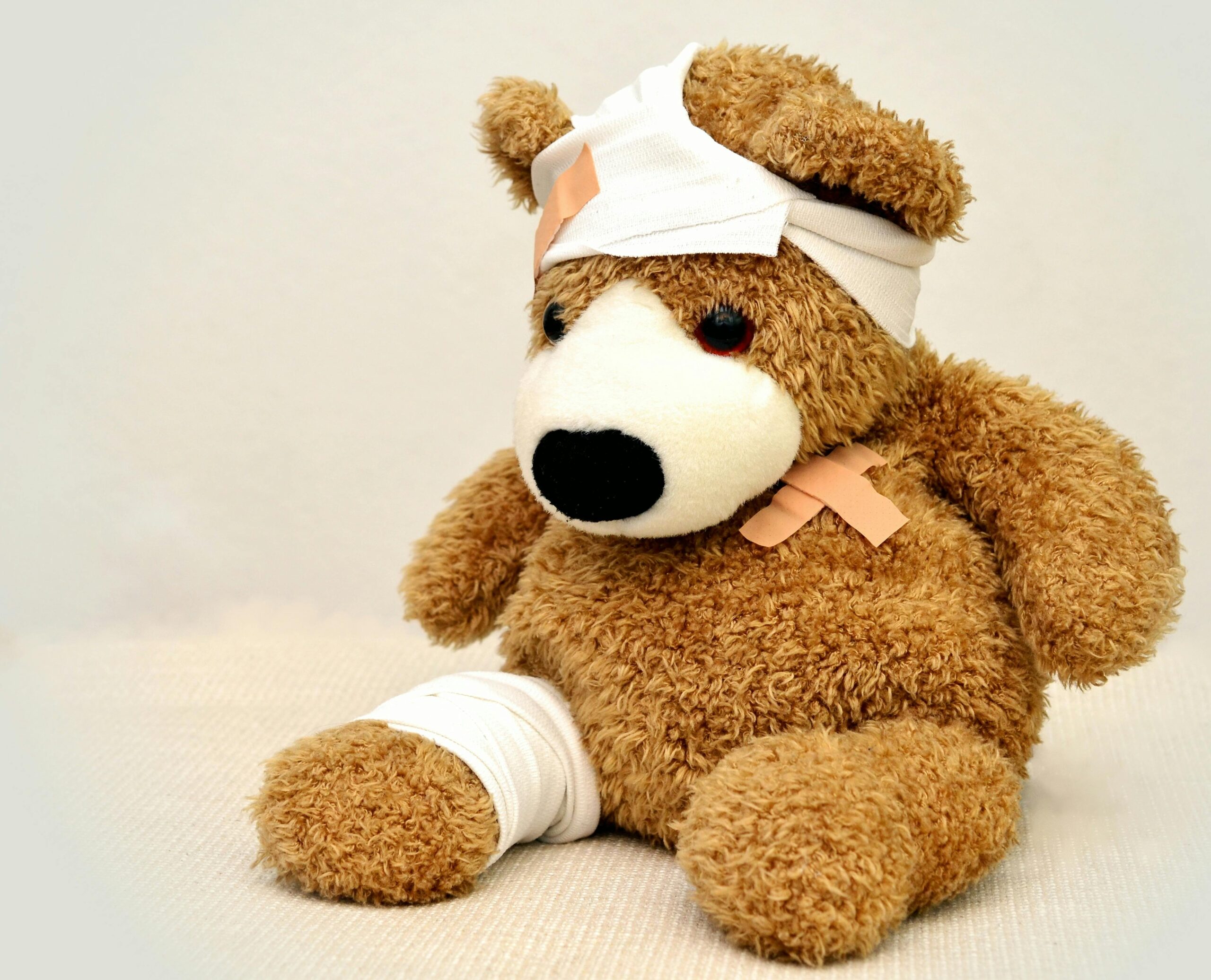
When you have a young child, you might be like many families and struggle to know when your child is too sick for preschool or childcare. Your preschooler may be fine one minute and then melting down or burning up the next. So, how do families know when sick is too sick to send your child to preschool?
This question becomes even trickier during cold, flu, and COVID-19 season, which typically runs from October through April. These months bring a surge in respiratory illnesses, with flu cases peaking between December and February and COVID-19 continuing to circulate with seasonal spikes. According to The Colorado Sun, the last week of December 2025 saw the highest number of hospitalizations due to influenza (“the flu”) in one week during the past 20 years. In UC Health Today’s “Flu season 2026: Why cases are surging and how to protect yourself,” only 31% of babies and children had gotten their flu shot as of early January 2026 (note: adults and children can still benefit from the vaccine, as the article highlights).
While hospitalizations are one thing, what symptoms signal that kids are too sick for school for childcare? Young children are especially prone to catching and spreading germs, making it important to know when to keep them home—not just for their own well-being but to help prevent classroom outbreaks.
In this guide, we’ll highlight:
- the key signs that indicate your child is too sick for preschool or childcare
- how to tell the difference between a mild cold and something more serious
- what you can do to help keep your family and school community as healthy as possible during peak illness season
We compiled recommendations from the Colorado Department of Public Health & Environment and Children’s Hospital Colorado to help families determine when you should and should not send your child to preschool.
Five Signs You Should Keep Your Sick Child Home From School or Childcare
- Vomiting or diarrhea: Not only do vomiting and diarrhea indicate your child is not feeling well, these symptoms often mean your child needs more care (and cleanup) than a preschool or childcare provider can offer. Plus, would you want your healthy kid around other kids who were vomiting or dealing with diarrhea? Likely not.
- Fever: A fever is defined as any temperature above 100.4° Fahrenheit (38° Centigrade). A fever indicates that your child is fighting an infection and is more likely to be contagious. Most preschools, schools and childcare facilities require children to be fever-free for 24 hours before returning (and some may require 48-hours of fever-free time during peak illness season).
- Unable to participate: If your preschooler is too tired, ill, or temperamental to participate in typical activities, you should not send them to preschool.
- Severe cough: A new or severe cough can indicate an infectious respiratory disease and is an indicator to keep your little one home. If the cough is uncontrollable, affects breathing, or includes wheezing, you should seek medical care for your child.
- Specific diseases: Chickenpox, lice, strep throat, and ringworm are just a few diseases that require your child to stay home from school. Use this How Sick is Too Sick Guide from the Colorado Department of Public Health and Environment or this Illness Policy from the Children’s Hospital to pinpoint which symptoms and illnesses should keep your child home from preschool and for how long.
When to Seek Emergency Care for Your Child
The Colorado Department of Public Health & Environment encourages families to seek immediate care for your child if they:
- Have trouble breathing
- Are experiencing persistent chest pressure or pain
- Are confused or mentally altered
- Are unable to wake up or stay awake
- Have unusually gray, pale, or blue-colored lips, skin, or nail beds
This is not a complete list of emergency medical conditions. Please call your child’s pediatrician or 9-1-1 if your child is experiencing any severe or unusual medical symptoms.
When In Doubt, Keep Sick Children and Preschoolers Home
A good rule of thumb is to keep your preschooler home from school and childcare if they aren’t feeling well enough to enjoy normal activities or if they could be contagious. When in doubt, keep them home if possible. Often, a quiet day at home can get your preschooler feeling better sooner than later.
Check out these additional resources for families with sick preschoolers:
- “Respiratory Illness in Kids: How to Tell the Difference Between COVID-19, RSV, Flu and More”
- Symptom checker: enter your child’s symptoms to determine if you should take them to the doctor
- “Sick day activities for kids”
- “What are Germs and How Can We Prevent Them from Spreading?”
And, be sure to check out our newsroom for other great tips and insights for Denver families.