Neue Erkenntnisse aus der RAPID-Umfrage: Bildschirmzeit und Kleinkinder
New research from the RAPID Survey Project finds that parents use screen time for multiple caregiving reasons including…
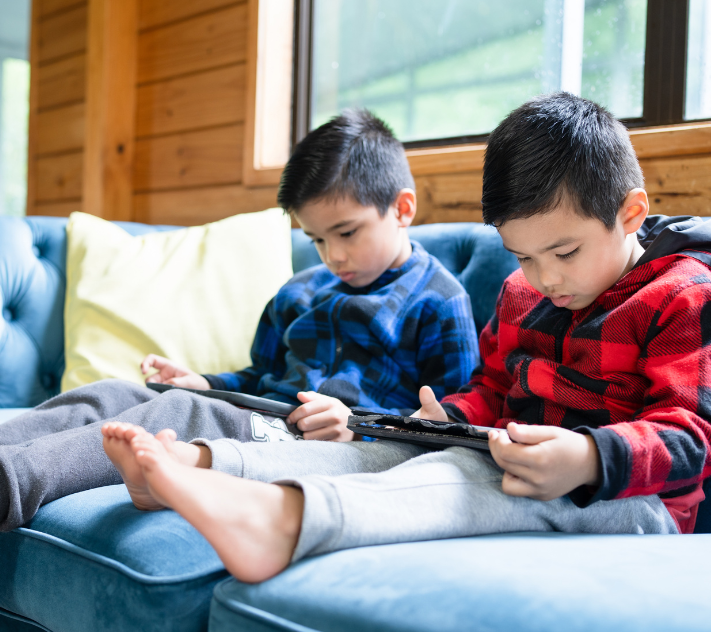
New research from the RAPID Survey Project finds that parents use screen time for multiple caregiving reasons including allowing for time to themselves, as a means of calming down an upset or unregulated child or as an incentive for good behavior.
Der RAPID Survey Project collaborated with Children and Screens: Institute of Digital Media and Child Development, a national nonprofit research organization, to assess how and when families are using screen time with their children. The resulting fact sheet highlights insights from parents across the nation who have children under the age of 6. Participants engaged in the household surveys between May 2025 and July 2025.
While the research is quick to point out that many families underreport screen time use, the study found that “about two in five parents with preschool-age children (41%) reported up to 1 hour a day, 29% reported 1 to 2 hours a day, and 30% reported more than 2 hours a day.”
With screens part of daily living, many families see benefits of screen time especially when using screens together with their child, which can promote child development.
Read the full brief, “Families with young children describe their screen time experiences.”
The RAPID Survey Project is part of the Stanford Center on Early Childhood. The project uses surveys to learn what young children, parents and caregivers need and how they are doing. Their goal is to gather helpful information and insights on a regular basis and share their learnings as soon as possible so that families, communities and leaders make better decisions based on what parents and caregivers are really experiencing.
Learn more about Children and Screens: Institute of Digital Media and Child Development’s research about digital media’s impact on preschool-aged children through their online library.
And don’t miss our article about the best low-stimulation TV shows for preschoolers.