Mental Health for Preschoolers: How to Talk to Your Preschooler about Emotions
The early years bring lots of new experiences, big feelings and opportunities to learn about mental health for…

The early years bring lots of new experiences, big feelings and opportunities to learn about mental health for preschoolers. Talking about emotions and mental health early can help your little one recognize their feelings, understand their behaviors and begin learning healthy ways to cope.
These conversations are especially important as mental health-related emergency room visits among children continue to rise, including a significant increase at Children’s Hospital Colorado. And, as we highlight in our blog post, “Những cảm xúc lớn dành cho trẻ nhỏ: Các hoạt động giúp trẻ mẫu giáo tìm hiểu về cảm xúc” “nearly 1 out of 5 American children between the ages of 3-17 have a mental, emotional, developmental, or behavioral disorder.”
Starting the conversations early can give your preschooler the skills to express their emotions and navigate big feelings in healthy ways. Here are some helpful tips to get started.
Mental Health for Preschoolers: Keep it Simple
Use simple, age-appropriate language to help your preschooler understand feelings and behaviors. Visual aids, such as drawings, picture cards or toys, can make it easier for them to identify and express their emotions. You can also help your child connect emotions to physical sensations, such as a racing heart when they feel scared or tense muscles when they feel angry. Choose a time when your child is calm and free from distractions to start the conversation, making it easier for them to listen, learn and share how they feel.
Mental Health for Preschoolers: Talk About Your Own Feelings
Sharing your own feelings with your little one helps them understand that everyone experiences emotions and that it’s OK to talk about them. Explore a range of feelings, from happiness and excitement to frustration and sadness, to help your preschooler recognize and name different emotions. You can also model healthy ways to cope with big feelings by explaining what helps you when you’re feeling stressed, frustrated or upset. For example, saying “When I feel frustrated, I pause and take a deep breath,” shows your child how to manage challenging emotions and encourages them to try similar coping strategies.
To help your preschooler recognize and name their own emotions, the Quỹ Sức khỏe Tâm thần Trẻ em offers tools like a feelings meter or a chart that you can use to make checking in about feelings a regular part of your family’s daily routine.
Mental Health for Preschoolers: Activities for Managing Big Emotions
As you explore different emotions with your little one, try incorporating activities that help them feel calm, manage big feelings and express what they need. Simple exercises can also create opportunities to keep talking about emotions and explore healthy ways to navigate challenging moments.
PBS Kids offers activities that can help your preschooler identify emotions, practice self-care and try mindful breathing exercises. You can also explore our guide to movement and learn how physical activity can help your preschooler release energy, work through big feelings and feel more balanced. Simple movements, such as dancing, stretching or jumping, can give children a healthy outlet for their emotions when they have trouble expressing them with words.
Also, be sure to read our blog post, “Những cảm xúc lớn dành cho trẻ nhỏ: Các hoạt động giúp trẻ mẫu giáo tìm hiểu về cảm xúc” for more insights about emotions, mental health and activities for little learners.
Mental Health Resources for Preschool Families
The Colorado Department of Early Childhood offers an array of mental health resources for preschool families including an early childhood mental health support line (833-326-4411) and their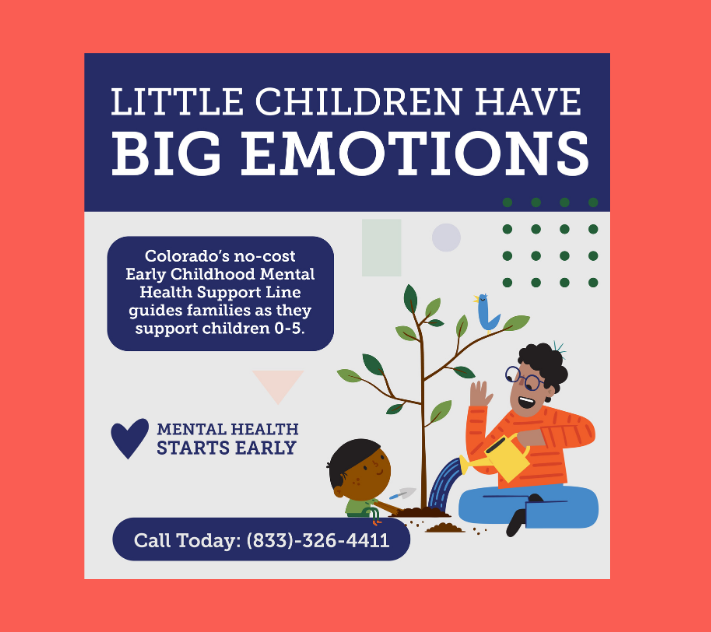 Promoting Stable and Responsive Early Care Settings: A Provider Toolkit.
Zero to Three, a national nonprofit organization focused on supporting the healthy development of children ages 0-3, also offers many resources for families, including these:
- Social-Emotional Development (Birth to 12 Months): Tiếng Anh / Tiếng Tây Ban Nha
- Positive Parenting Poster: Tiếng Anh / Tiếng Tây Ban Nha
- Calming Strategies A to Z: Tiếng Anh / Tiếng Tây Ban Nha
For more family-friendly resources, helpful tips and upcoming events, subscribe to our monthly bilingual newsletter, Family Dispatch, and stay connected with everything Denver Preschool Program has to offer!